

Photo from Weed Wrangle
Learn to remove invasive plants
Removing invasive plants depends on the type of plant, the size of the area, and the tools you have available. In small areas, many plants can be removed by hand. In larger areas, a combination of methods may be needed over time. Start by identifying your plant type, then follow the method that matches.
Steps for removing invasive plants
Step 1
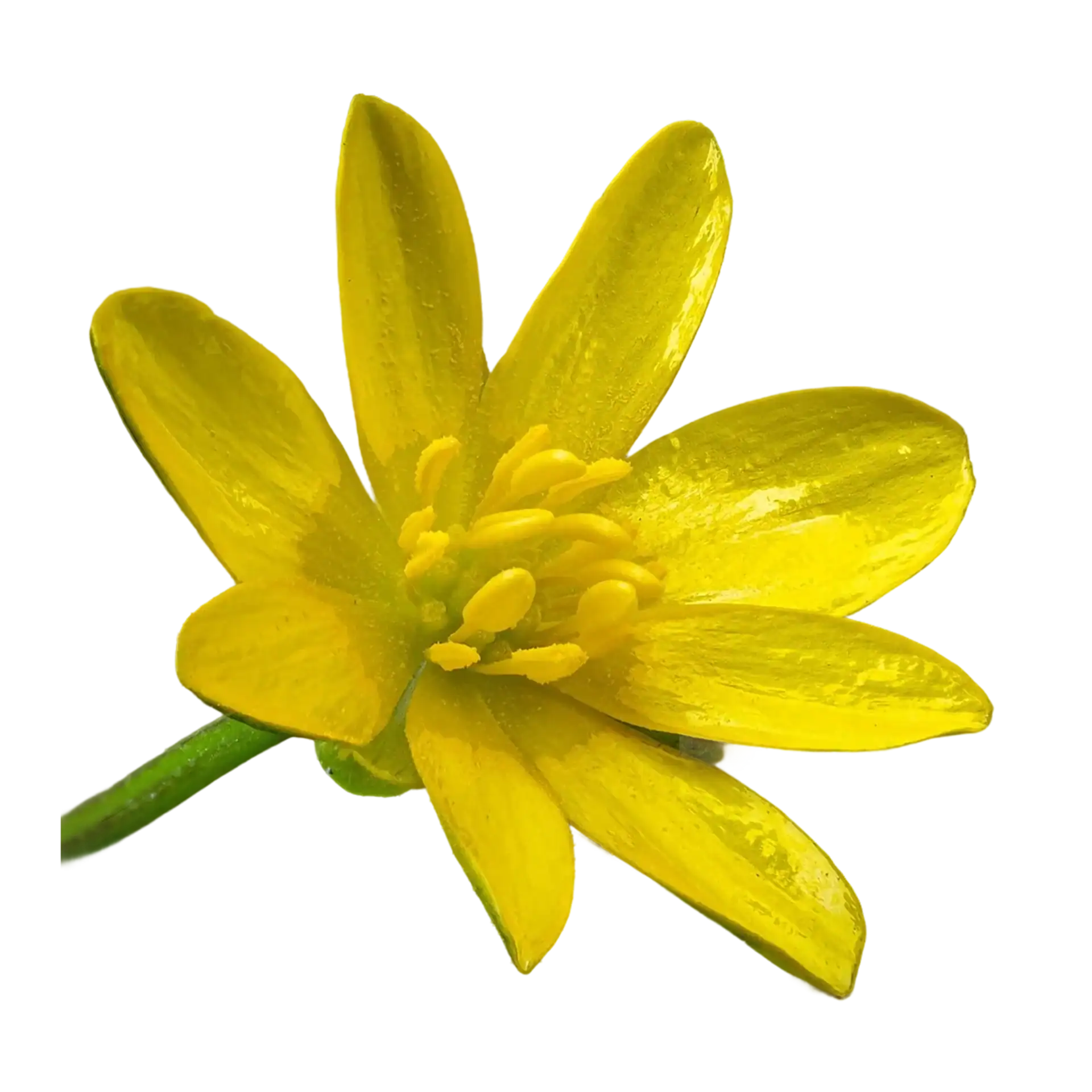
Identify plant type
Step 2
Choose a removal method
Step 3
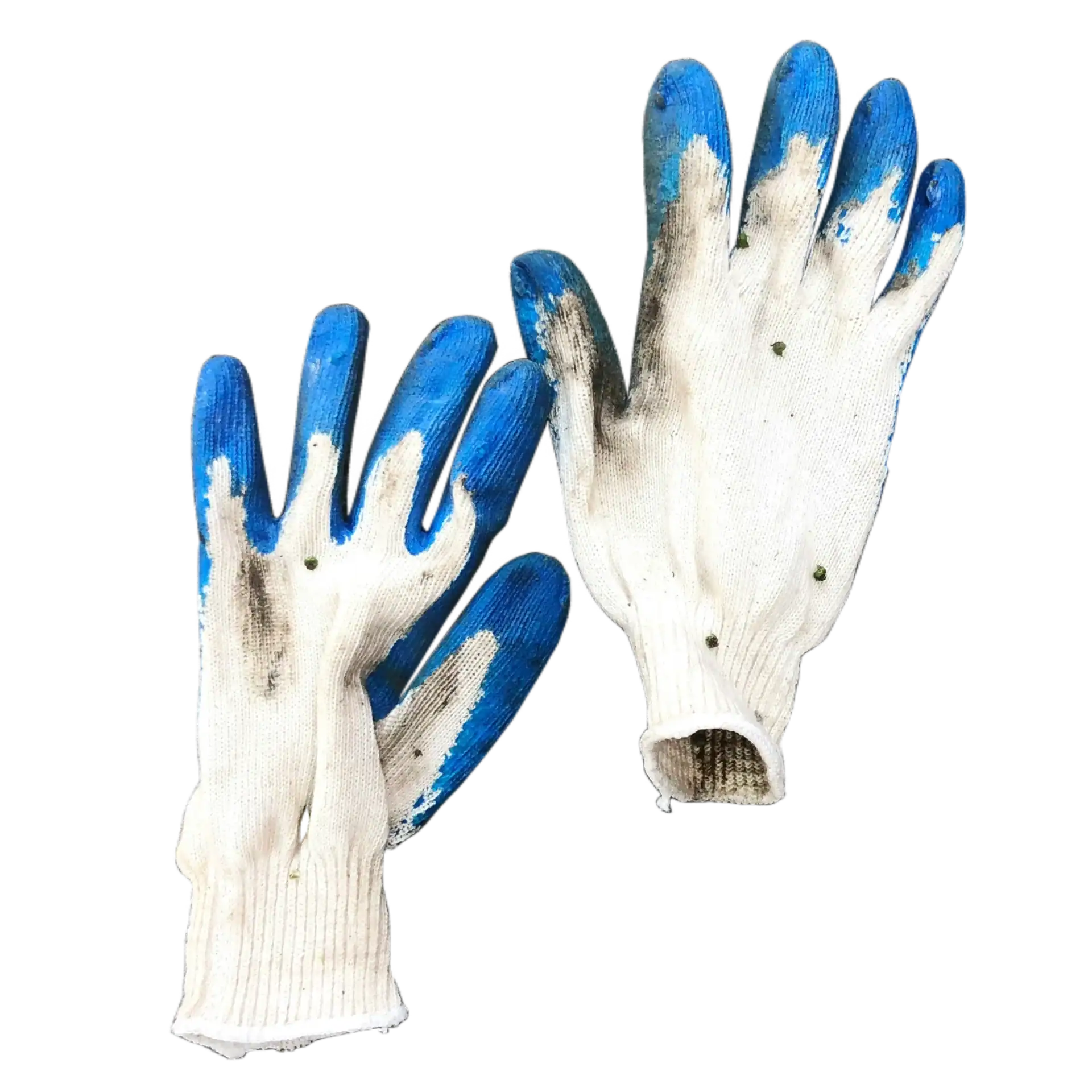
Remove safely
Step 4
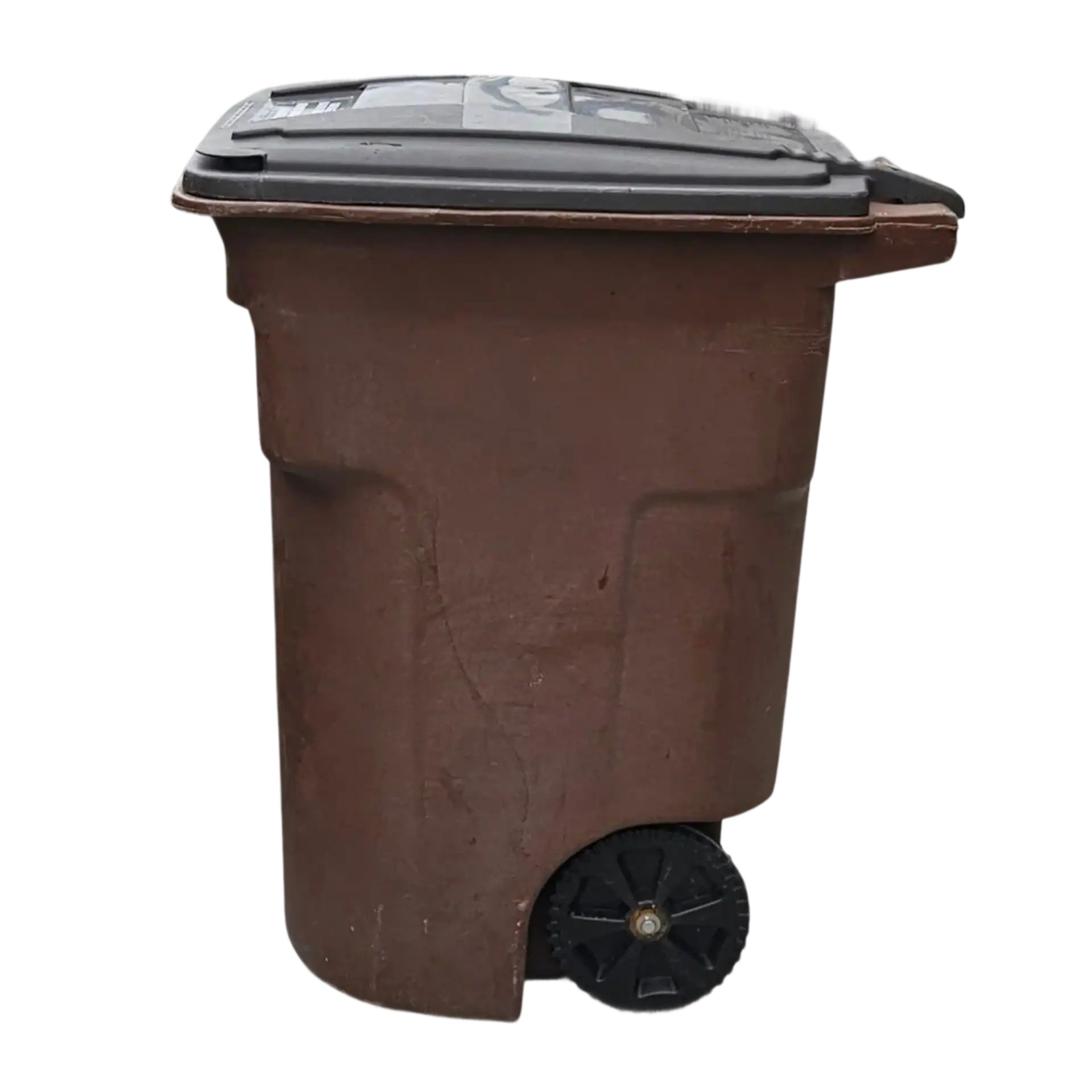
Dispose properly
Choose your plant type
Start here. Select the type of plant you’re dealing with to find the right removal method.
Woody Invasive Plants
Invasive Grasses
Herbaceous Invasives
Not sure which plants you have?
Use the Seek app to identify your plant before you start. Removal methods vary by species, and misidentifying can mean more work or unintended spread.
Important safety information
Remove invasive plants safely
Protect yourself while you work
- Wear gloves
- Use protective eyewear
- Wear long sleeves and pants
- Use tick protection where needed
A note about herbicides
Herbicides can speed up the process, but their use is controversial for good reason. These chemicals can affect non-target plants and organisms, especially if applied broadly or improperly.
We recommend using herbicides only as a last resort, when other methods are not practical. When used properly, they should be applied carefully and directly to the target plant. Doug Tallamy has likened their use to chemotherapy, applied precisely to eliminate the problem while minimizing broader impact.
For detailed, species-specific guidance and best practices, refer to resources from the North American Invasive Species Management Association (NAISMA).
Woody Plants
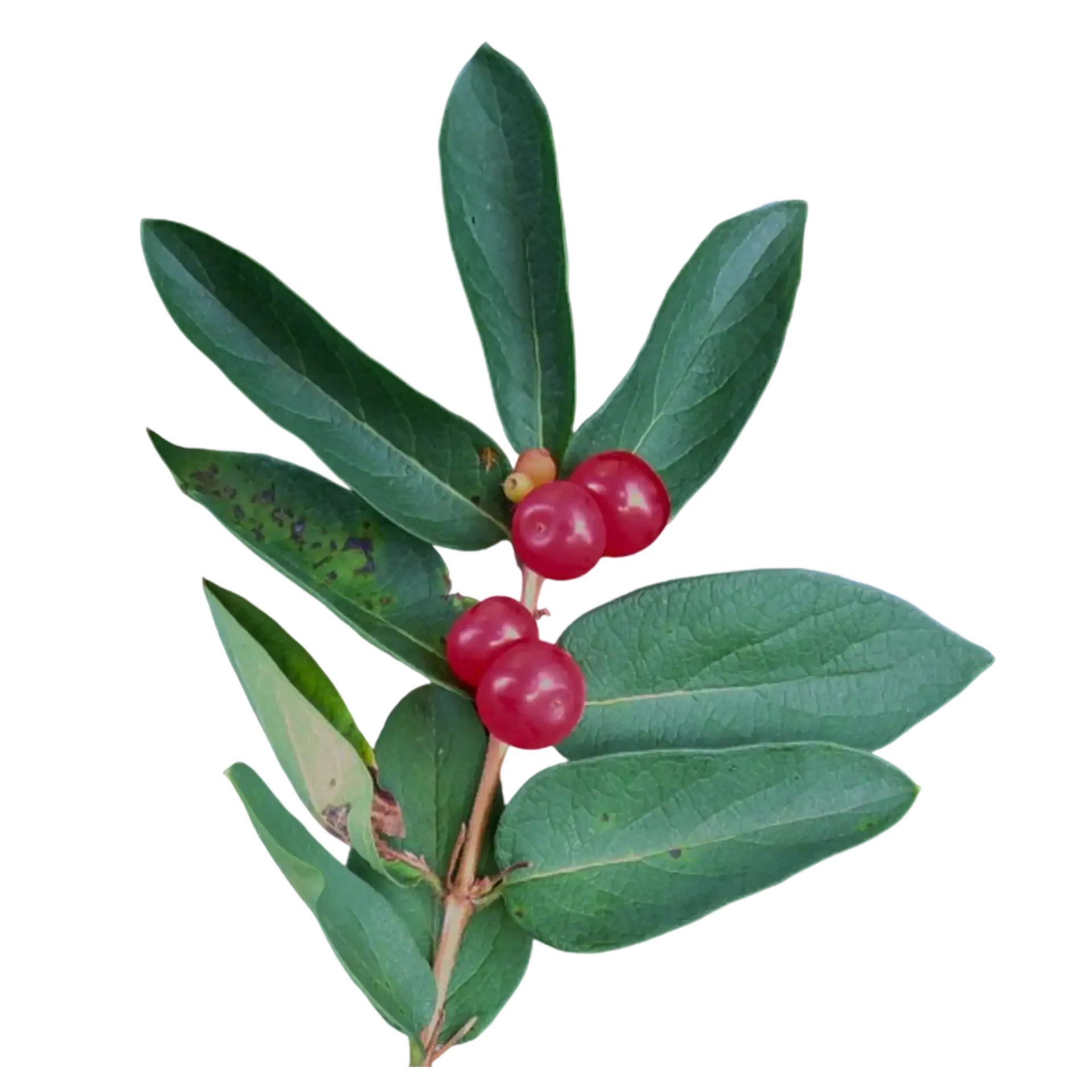
Woody Invasive Plants
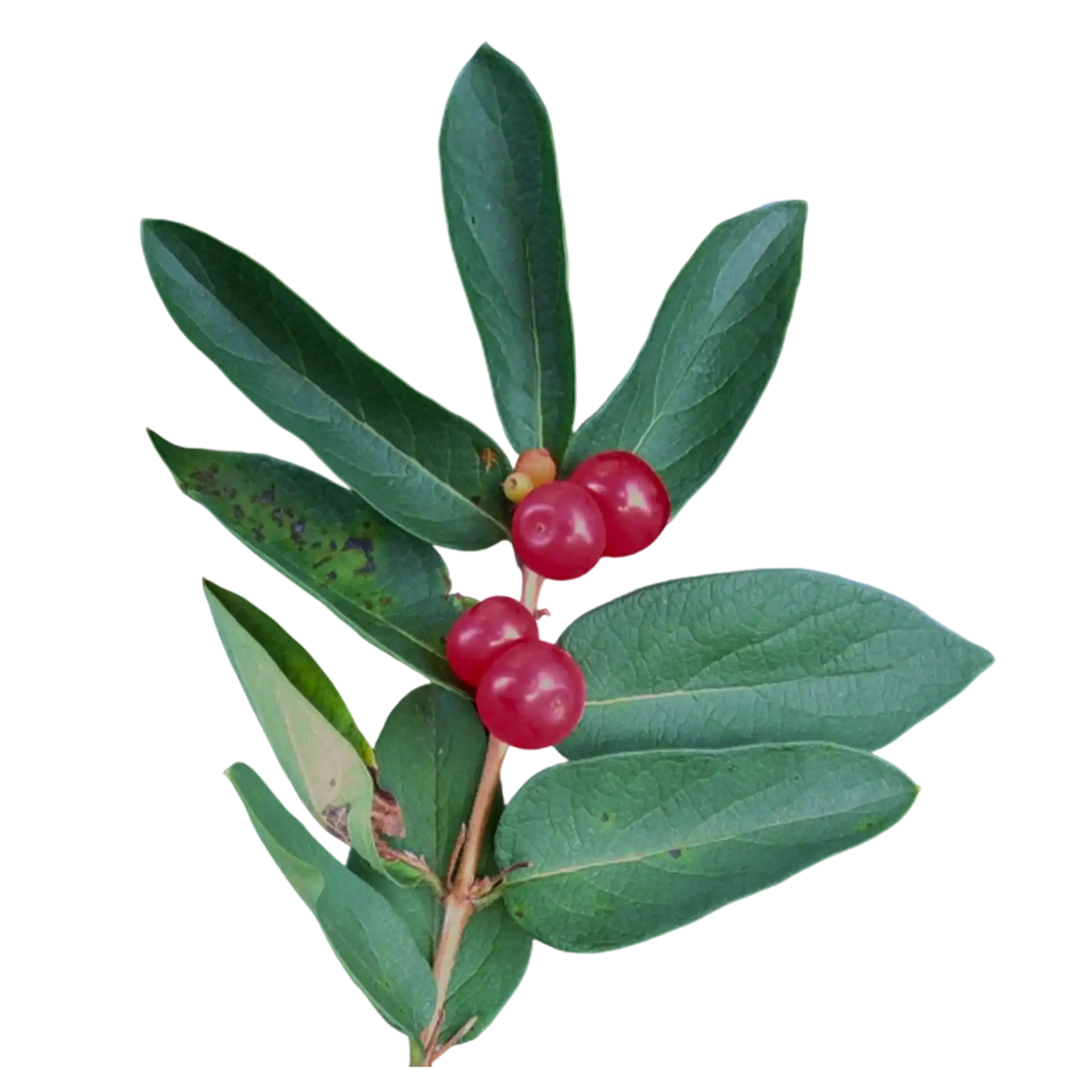
Woody plants include trees and shrubs of all sizes. Mature plants are identifiable by hard stems or trunks, while young plants may appear soft but will develop woody growth. Common examples include barberry, bush honeysuckle, and bittersweet vine.
Tools
- Hand pruners or loppers
- Saw or chainsaw for thicker stems or trunks
- Shovel or weed wrench for root removal
- Herbicide applicator (such as a “buckthorn blaster”)
- Marking dye to track treated areas
Timing
- Herbicide treatments are often most effective in late summer through fall, when plants are actively moving resources to their roots.
- Remove before berries or seeds mature to prevent spread.
- Repeated cutting throughout the growing season can weaken the plant over time.
Removal Techniques
Young plants
Pull by hand, loosening the soil and wiggling the plant to remove the full root. Complete root removal is important to prevent regrowth.
Cutting method
Cut stems to the ground multiple times over the course of a growing season. This gradually weakens the plant and can eventually kill it.
Mature plants
Dig out using a shovel or pull out with a weed wrench, which works best for single-stem plants. Multi-stem shrubs may require cutting and repeated removal.
Cut and treat (when needed)
Cut the stem or trunk close to the ground, then apply herbicide directly to the cut surface immediately after. This allows the treatment to move into the root system while minimizing impact on surrounding plants.
This method is most effective for woody plants that resprout after cutting. For example, bittersweet vine can strangle trees as it climbs, while honeysuckle spreads quickly through bird-dispersed berries.
Removal techniques
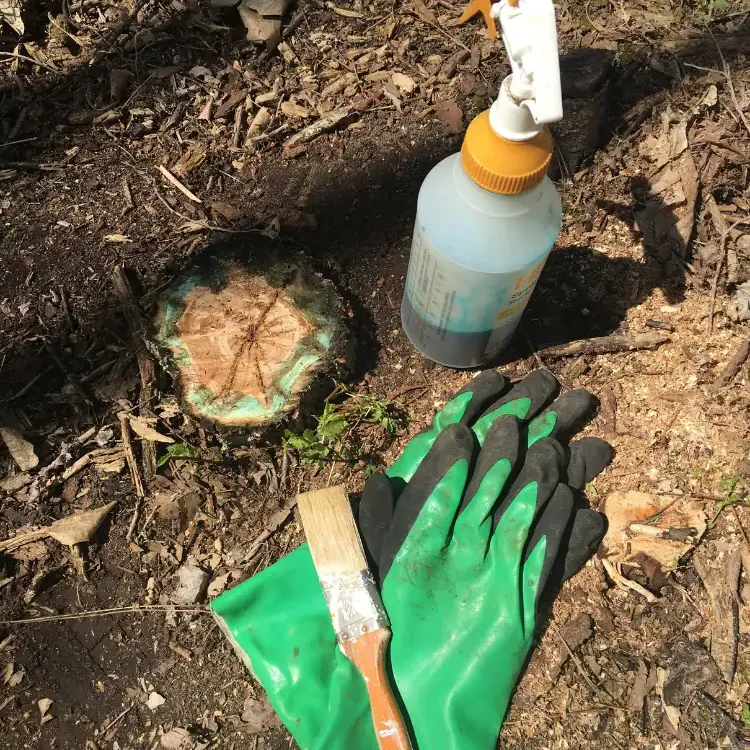
Example of cut and treat with herbicide
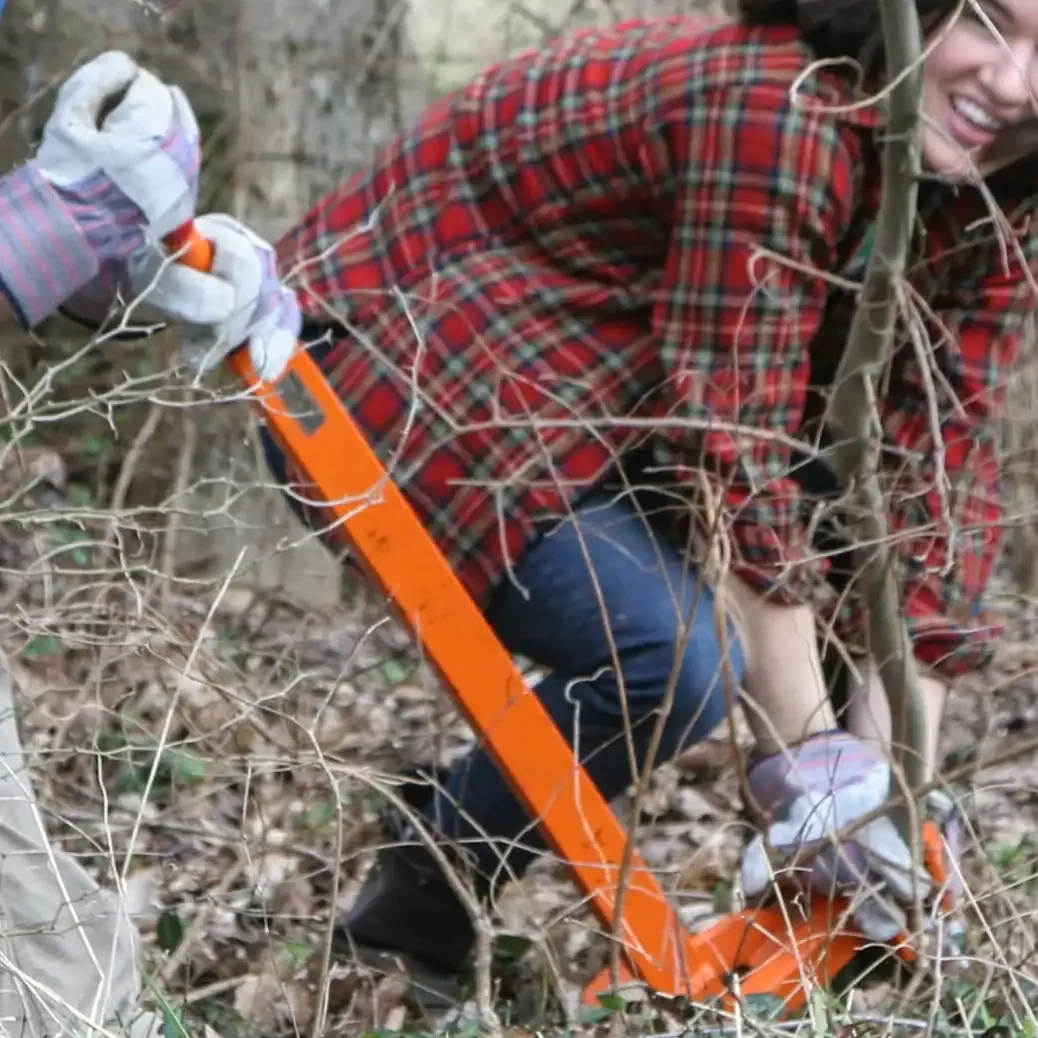
Example of weed wrench for root removal
Disposal
- Plants without seeds can be dried and composted
- Thick taproots or rhizomes should be removed and bagged
- Seed-bearing material should be bagged and solarized
- When in doubt, bag and solarize rather than composting. Look up guidance for your specific species before disposing.
Common Woody Invasive plants
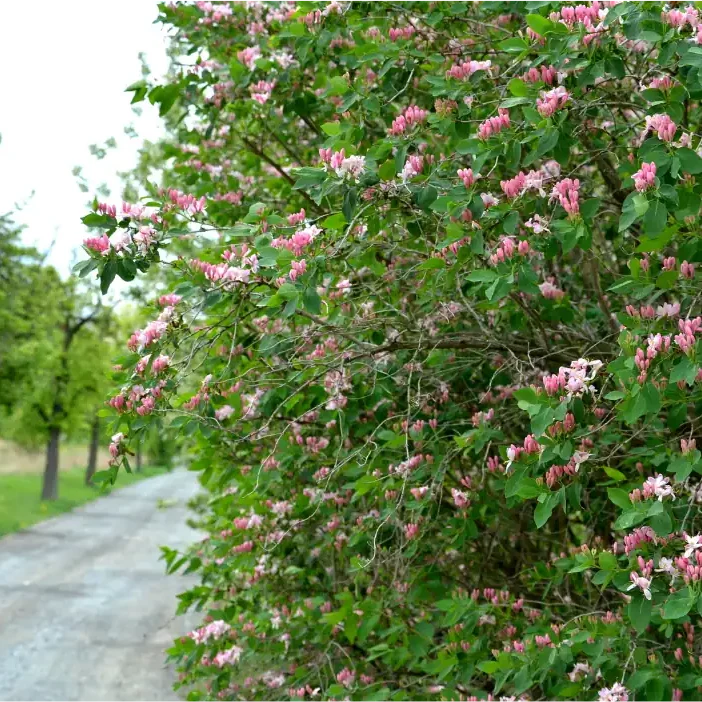
Example of cut and treat with herbicide
Lonicera tatarica
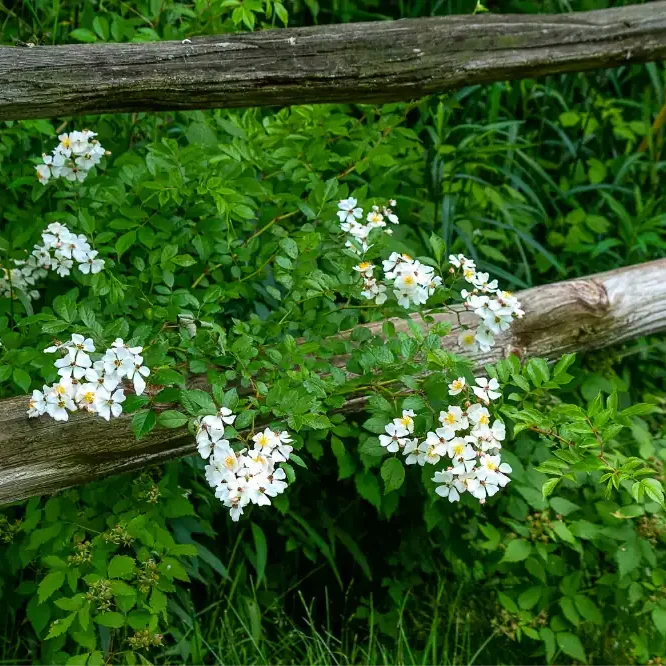
Multiflora Rose
Rosa multiflora
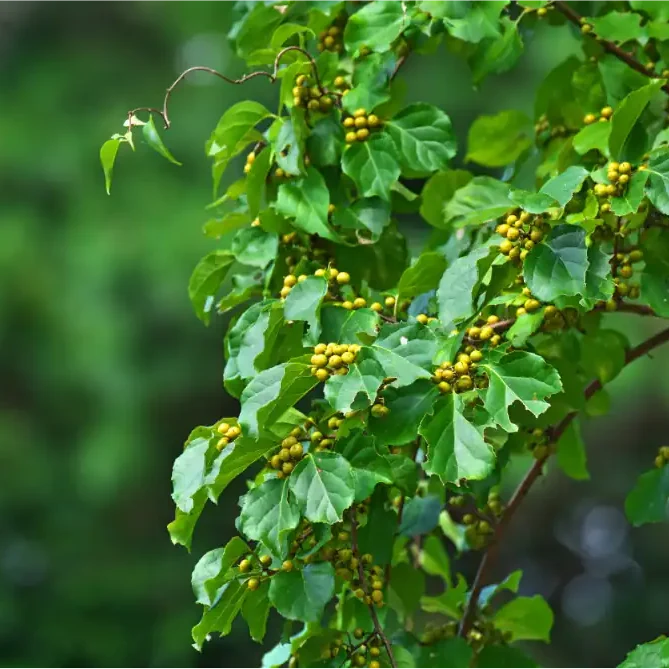
Oriental Bittersweet
Celastrus orbiculatus
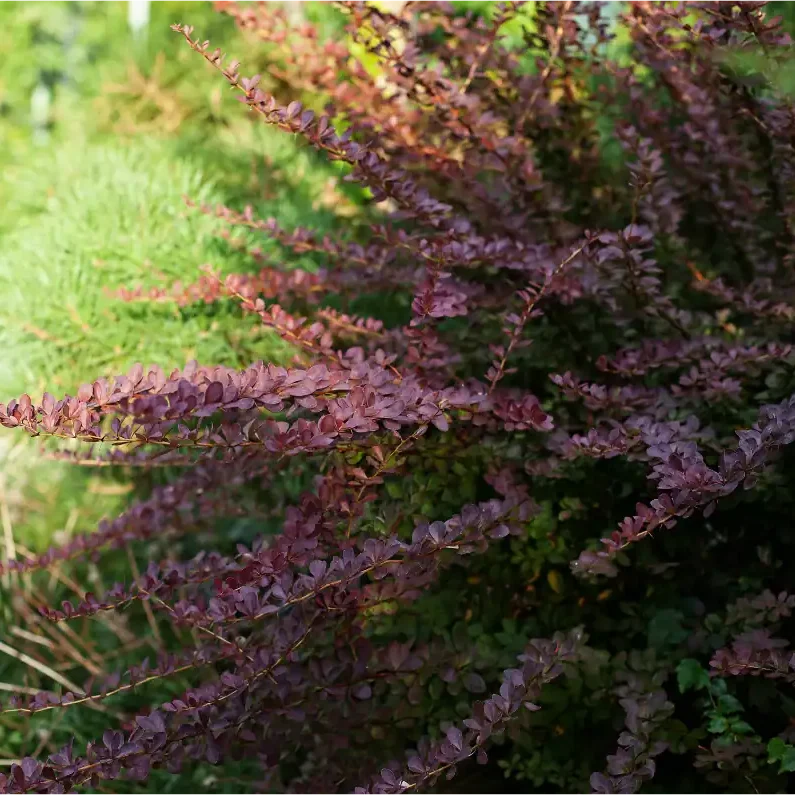
Japanese Barberry
Berberis thunbergii
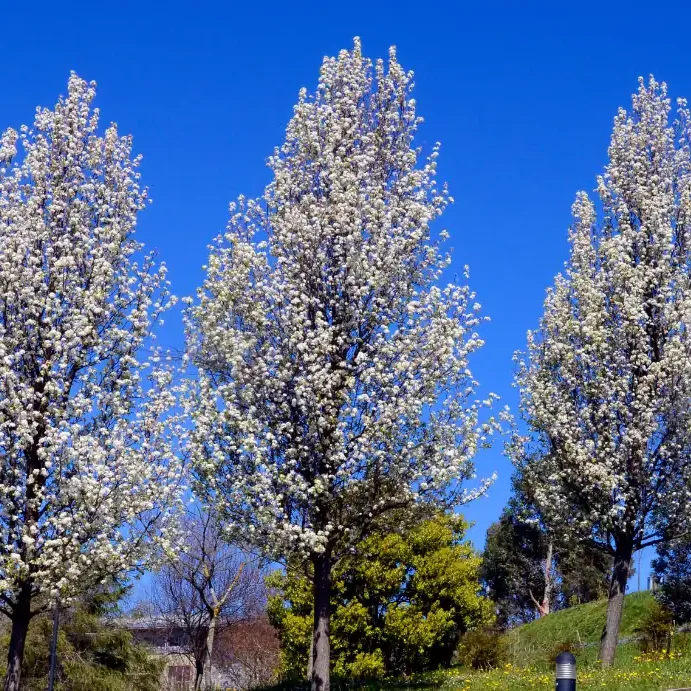
Bradford (Callery) Pear
Pyrus calleryana
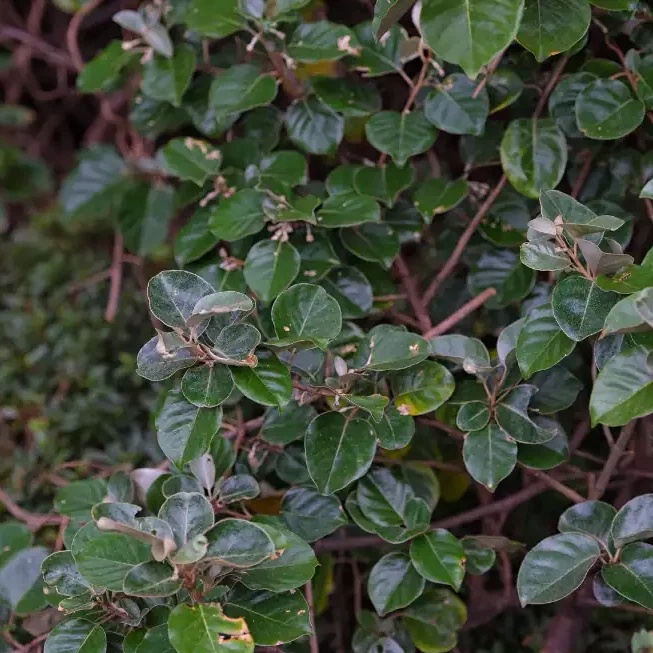
Autumn Olive
Elaeagnus umbellata
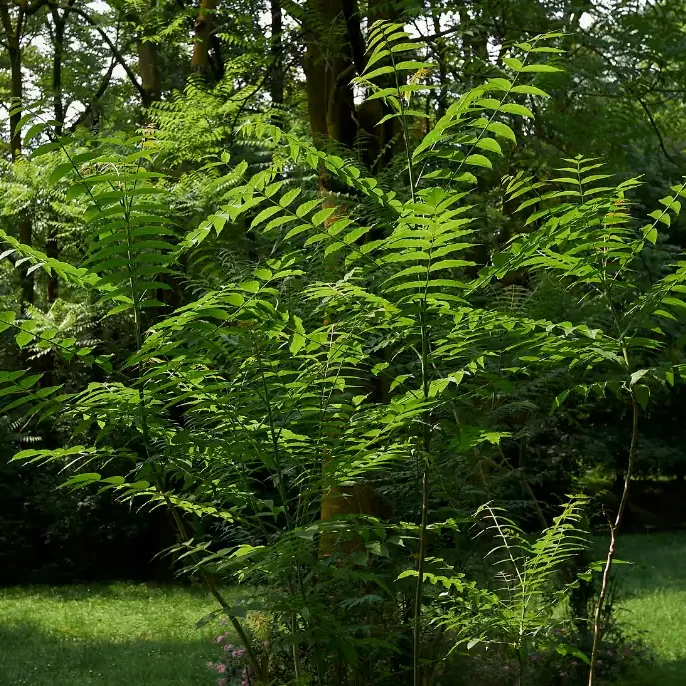
Tree of Heaven
Ailanthus altissima
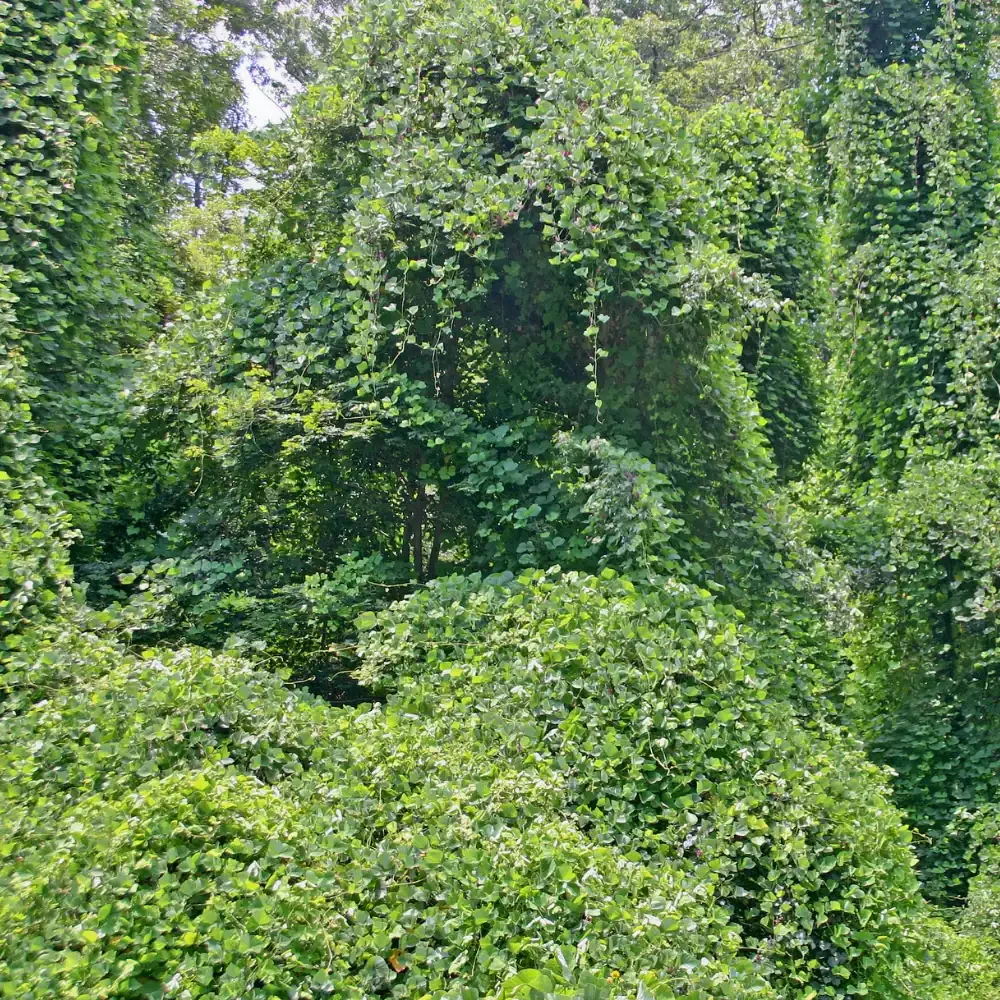
Kudzu
Pueraria montana
grasses
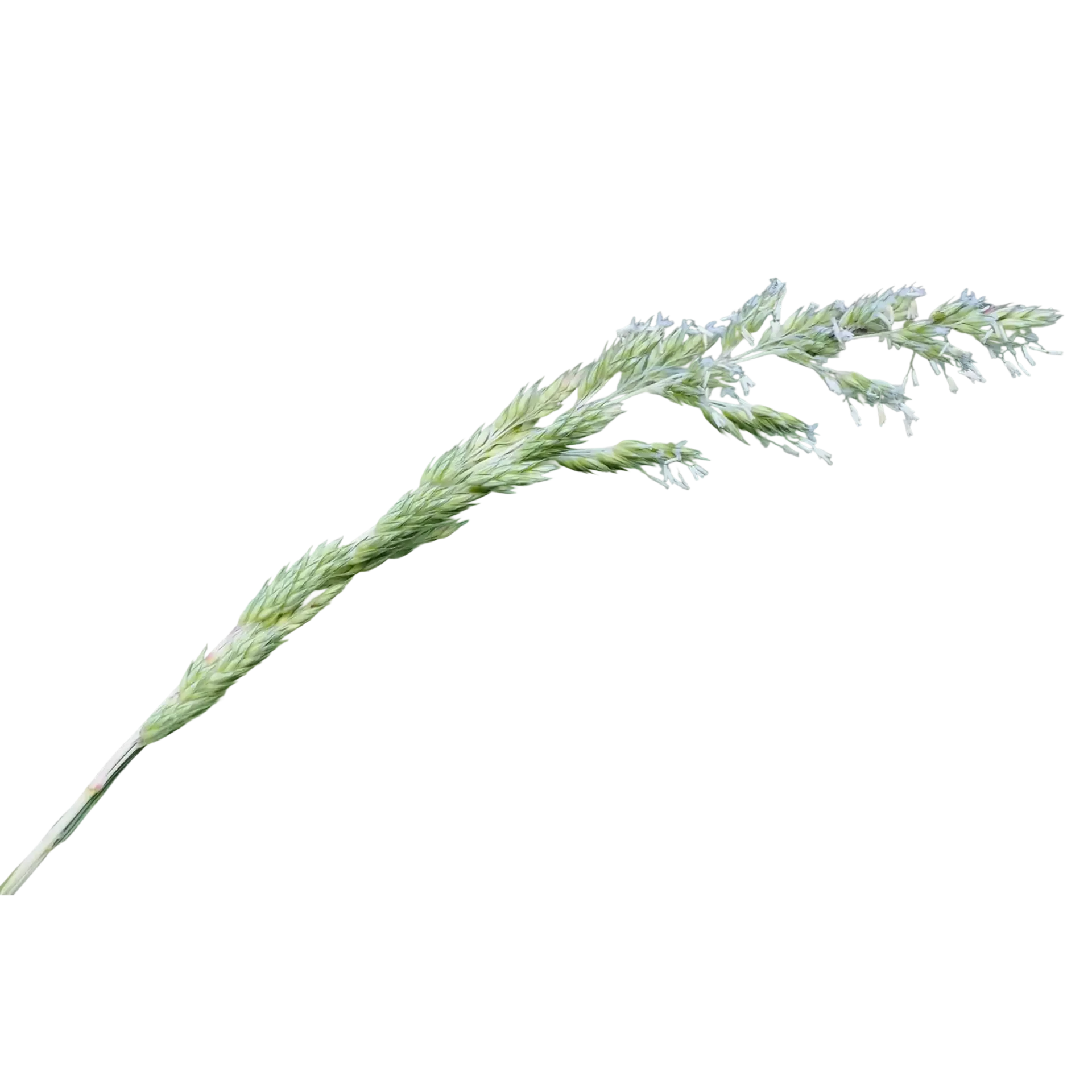
Invasive Grasses
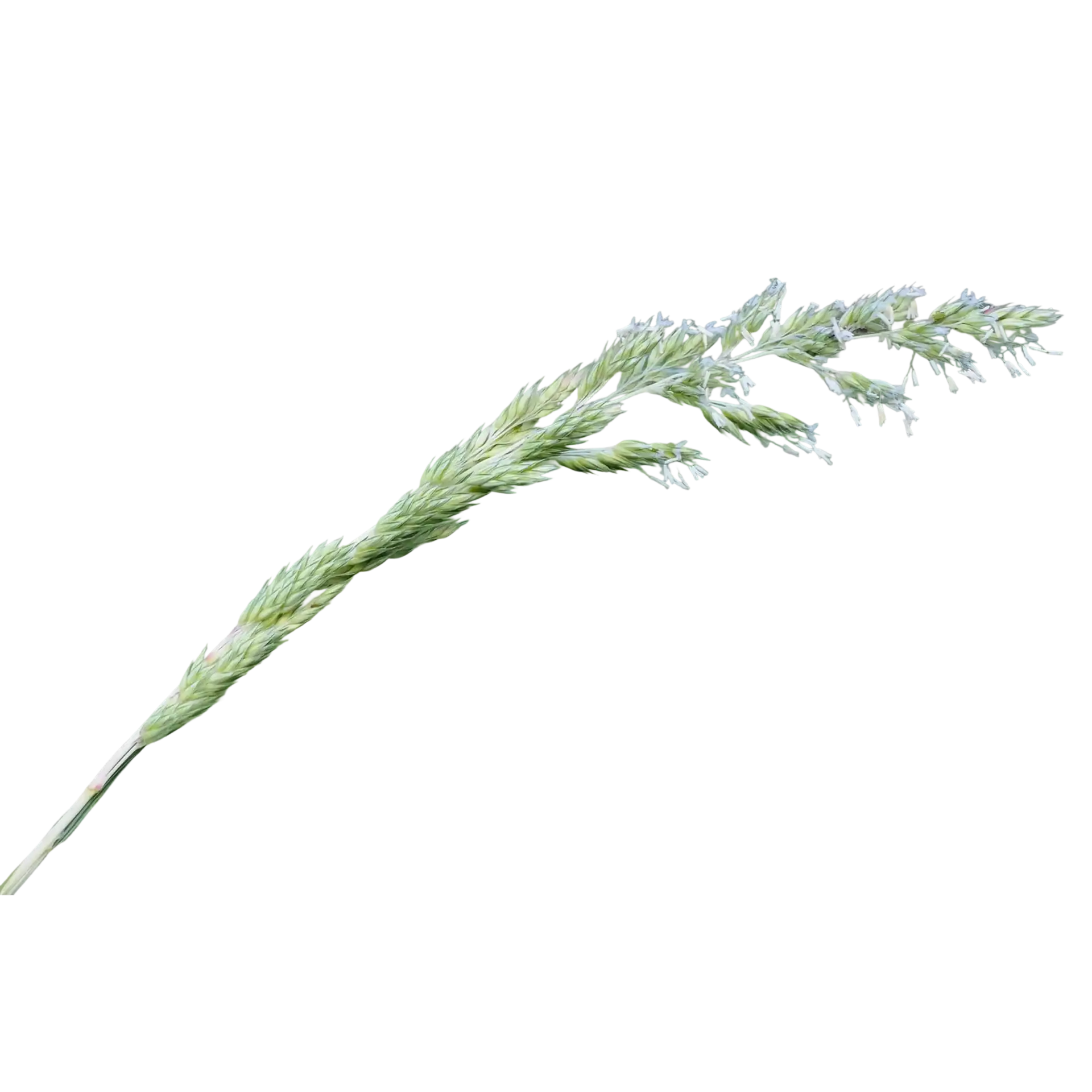
Grasses include both lawn species and aggressive invasive plants like phragmites and Japanese stiltgrass. Some spread widely across an area, while others form dense clumps.
Removal Techniques
Smothering
(best for spreading grasses such as lawn)
Cover the area with cardboard or a tarp, ensuring full coverage. Add a thick layer of mulch, 3 to 6 inches, to hold material in place. This process can take many months to over a year to fully eliminate growth.
Cutting or mowing
Repeated cutting can suppress growth and prevent seed production, but typically will not eradicate the plant.
Digging and pulling
(best for clumping grasses)
Use a shovel or digging tool to remove the entire root mass. Partial removal will allow the plant to regrow.
Targeted herbicide
For aggressive species such as phragmites, herbicides designed for wetland use may be applied carefully using targeted methods such as wiping or glove application.
Rhizome removal
(for species like phragmites)
Digging out underground rhizomes over multiple seasons can reduce and eventually eliminate growth, especially in smaller areas.
Removal techniques
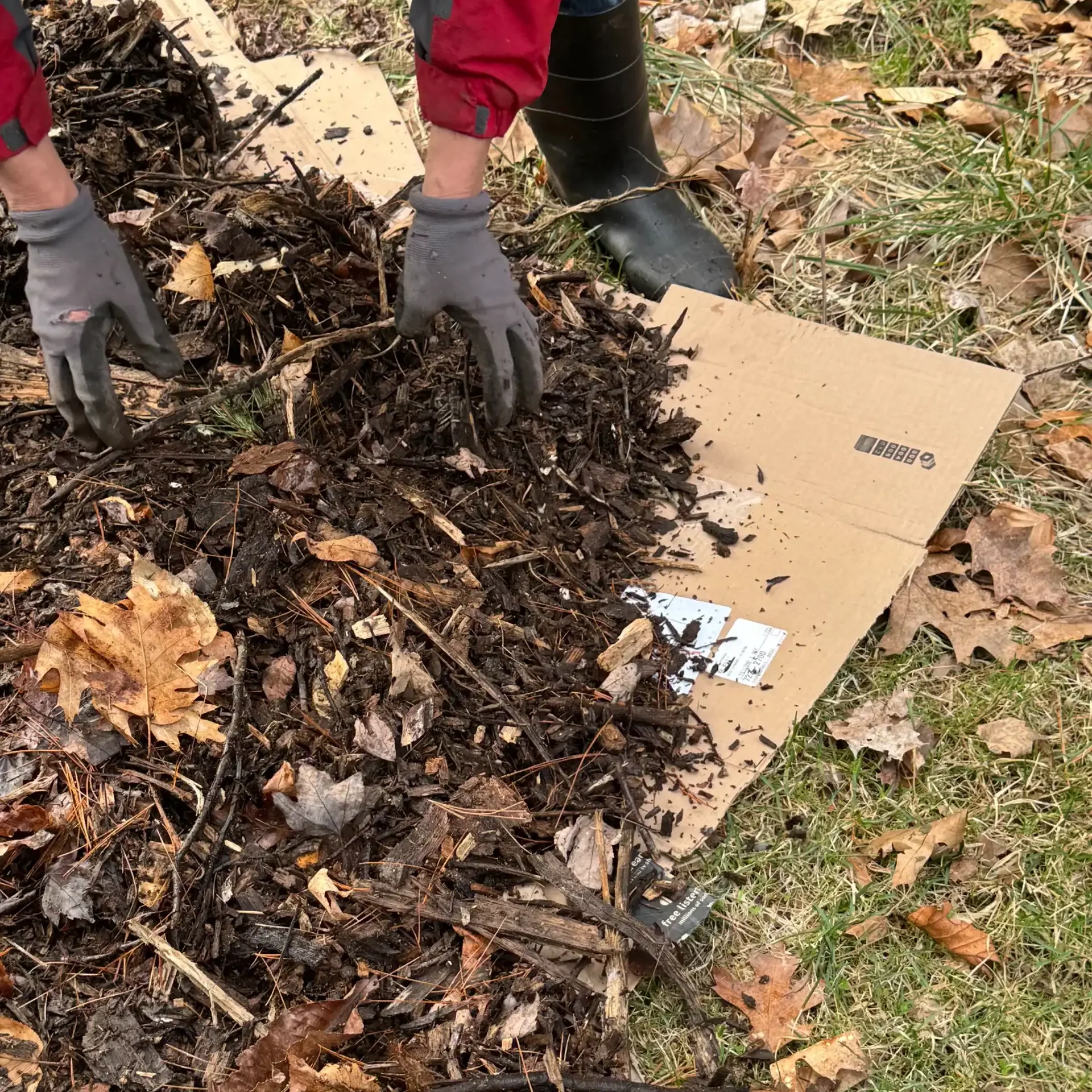
Example of smothering grass
Disposal
- Plants without seeds can be dried and composted
- Thick taproots or rhizomes should be removed and bagged
- Seed-bearing material should be bagged and solarized
- When in doubt, bag and solarize rather than composting. Look up guidance for your specific species before disposing.
Common Invasive Grasses
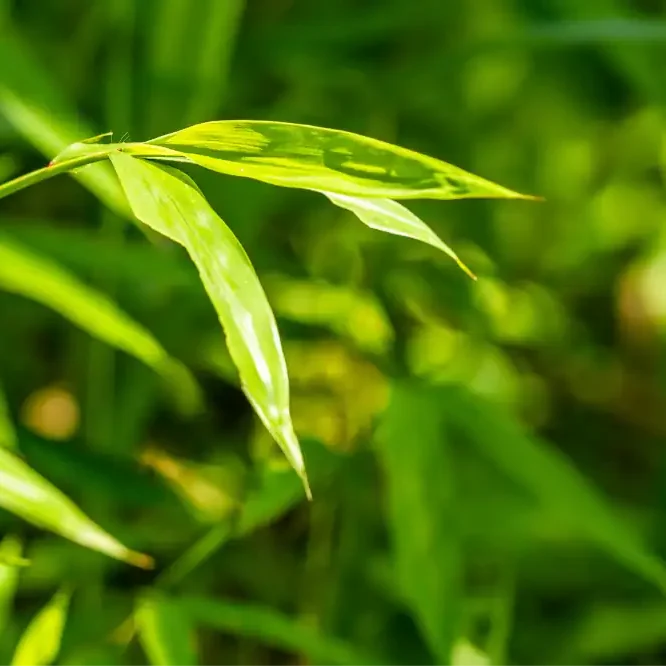
Japanese Stiltgrass
Microstegium vimineum
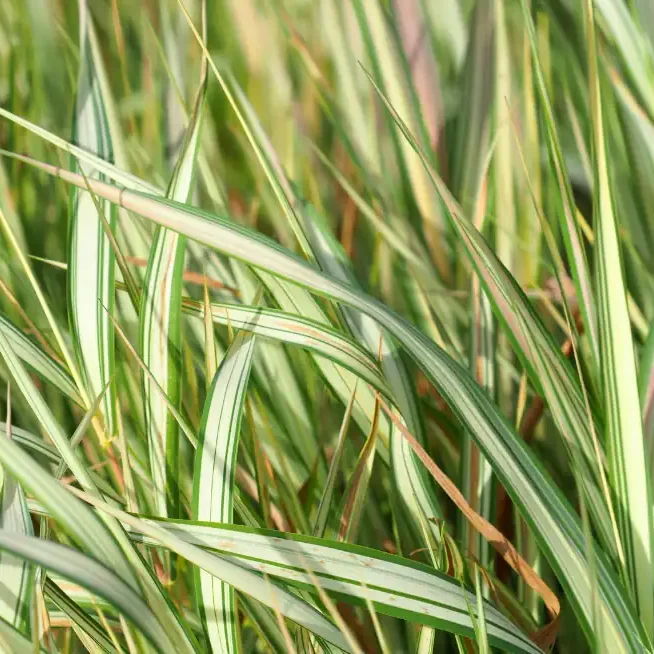
Reed Canary Grass
Phalaris arundinacea
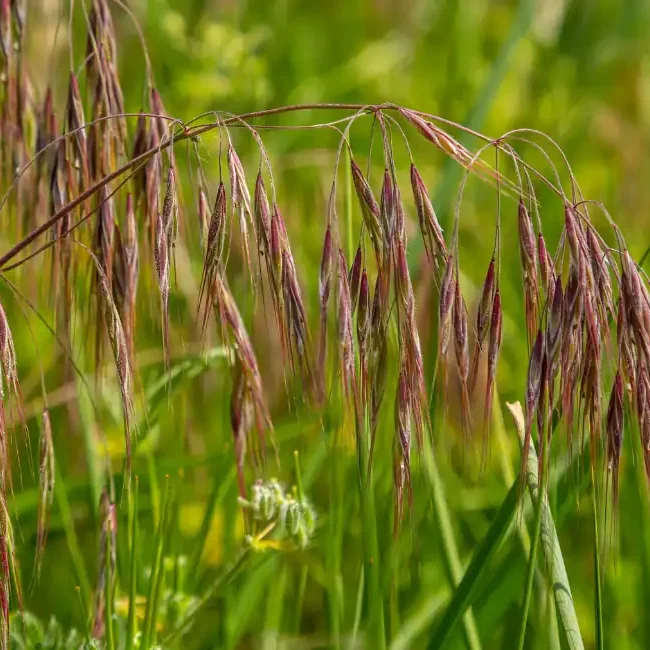
Downy Brome
Bromus tectorum
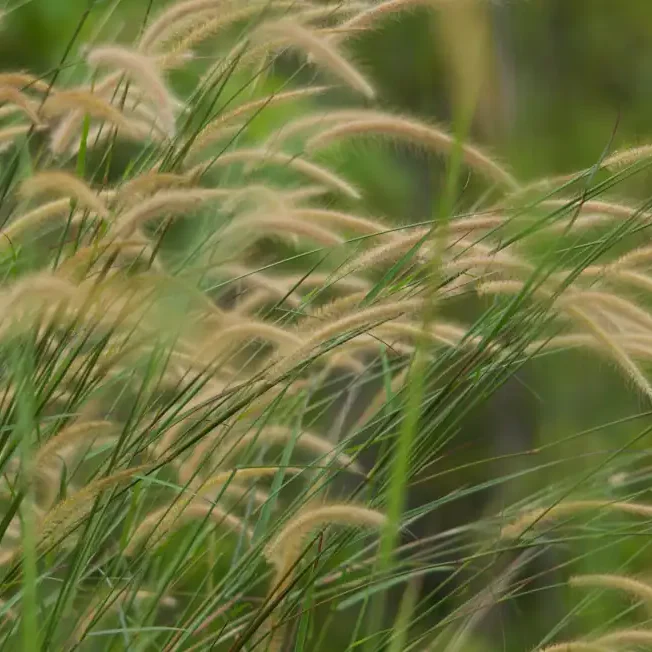
Buffelgrass
Cenchrus ciliaris
Herbaceous plants
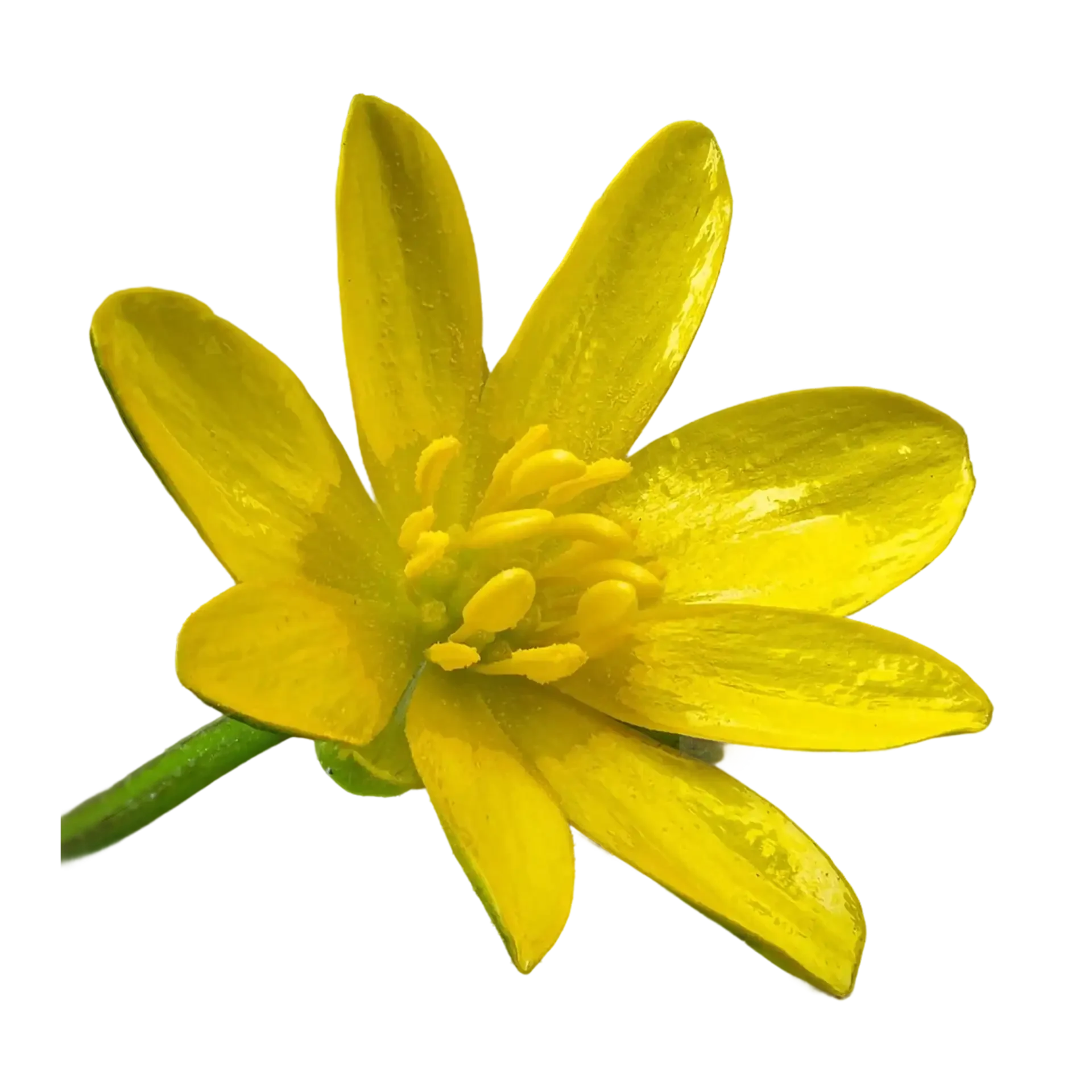
Herbaceous Invasive Plants
Herbaceous plants are non-woody plants with soft stems, including many common invasive flowers and ground covers. Common examples include garlic mustard, mugwort, lesser celandine, and ground elder.
Removal Techniques
Smothering
Cover dense patches with cardboard or tarp and add mulch. For taller plants such as mugwort, cut plants to the ground before covering. This method may take multiple seasons.
Cutting
Repeated cutting can prevent flowering and reduce spread, but may not eliminate the plant.
Digging and pulling
Pull plants before they go to seed. Removing the full root is important, and digging tools may be needed for deeper or thicker roots. Removal is often easiest after rain or in early spring.
Targeted herbicide
For large infestations, low-concentration herbicide may be used to reduce labor. In many cases, hiring a professional is recommended.
Examples: garlic mustard spreads by seed and should be removed before it sets seed, while mugwort and ground elder spread through underground roots and can regrow if not fully removed.
Disposal
- Plants without seeds can be dried and composted
- Thick taproots or rhizomes should be removed and bagged
- Seed-bearing material should be bagged and solarized
- When in doubt, bag and solarize rather than composting. Look up guidance for your specific species before disposing.
Common Herbaceous Invasive plants
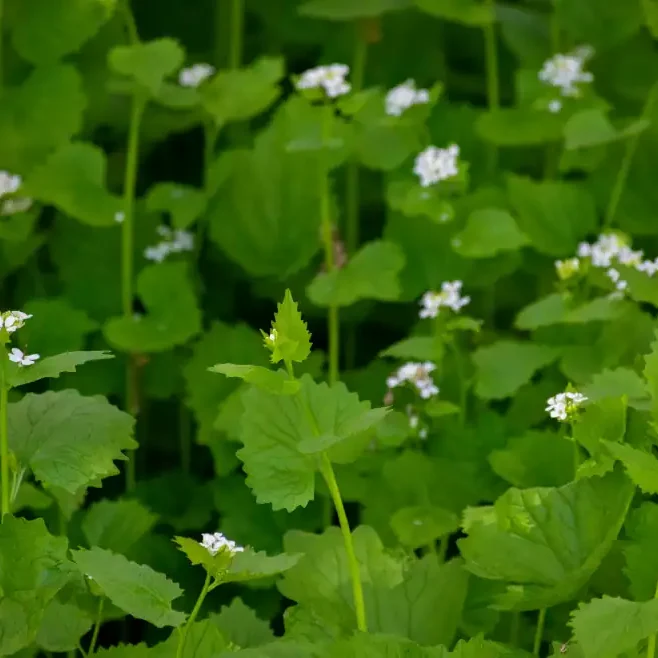
Garlic Mustard
Alliaria petiolata
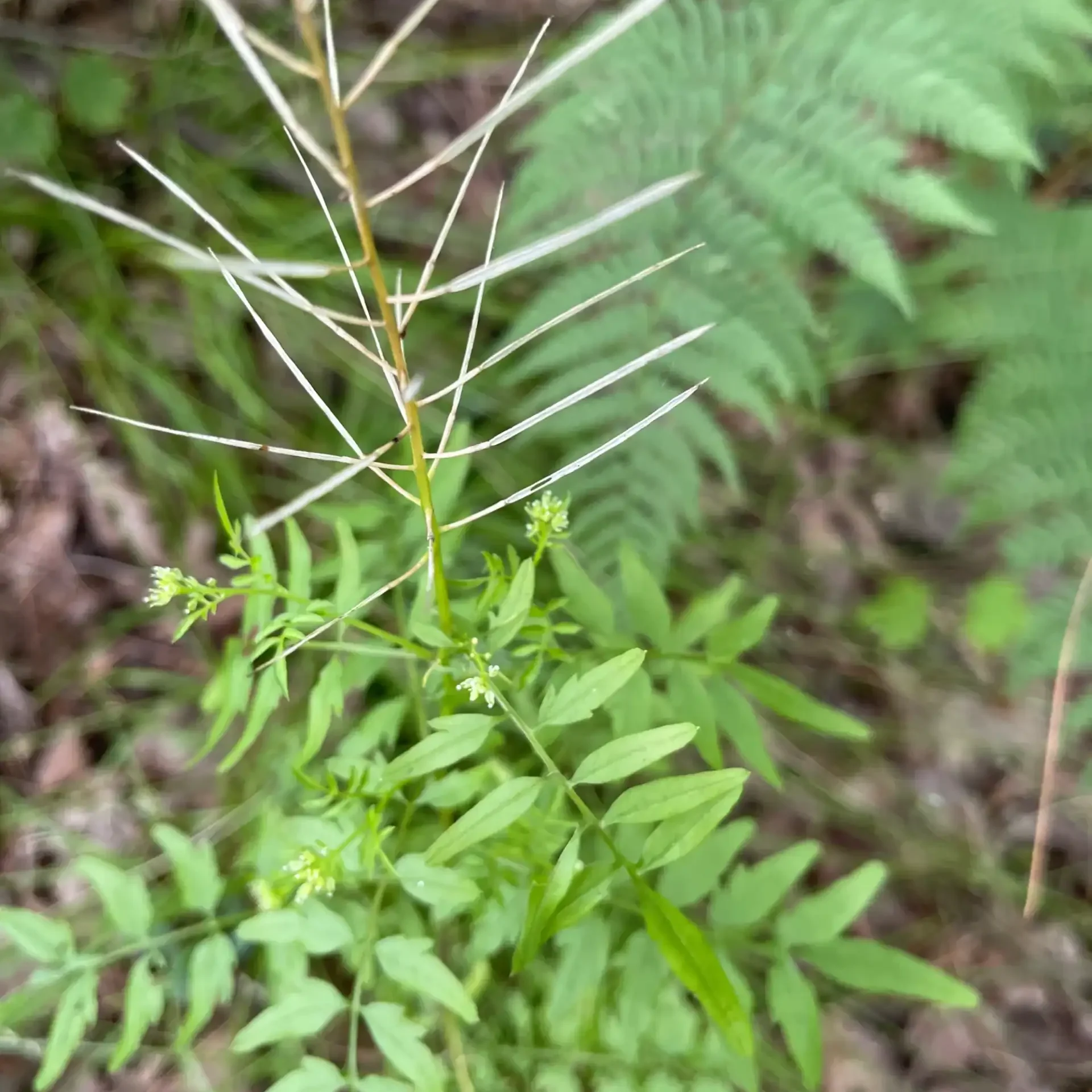
Narrowleaf Bittercress
Cardamine impatiens
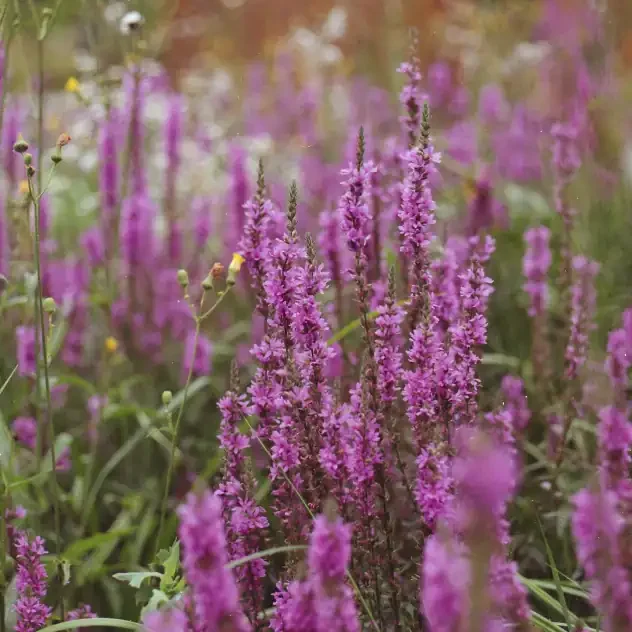
Purple loosestrife
Lythrum salicaria
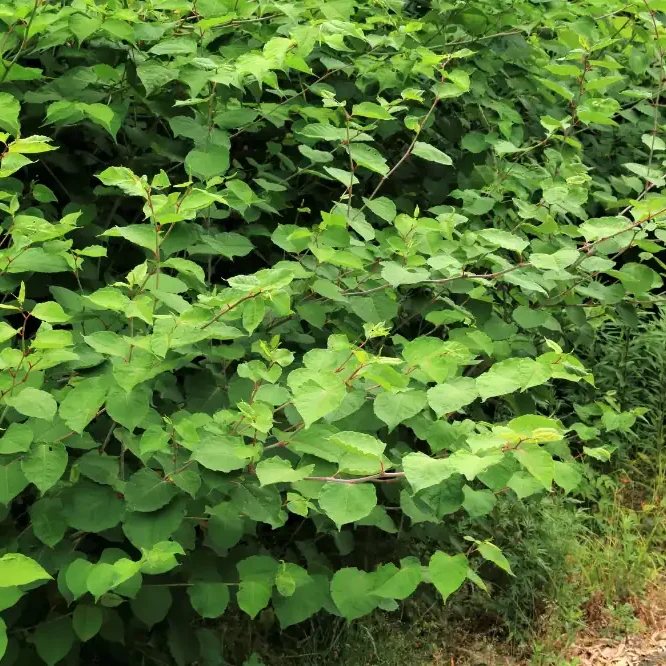
Japanese Knotweed
Fallopia japonica
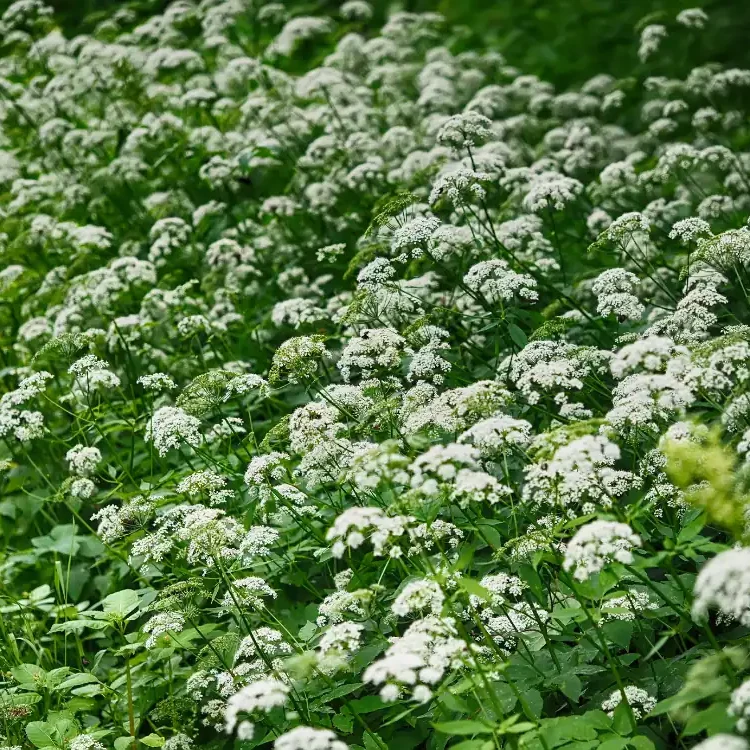
Ground elder
Aegopodium podagraria
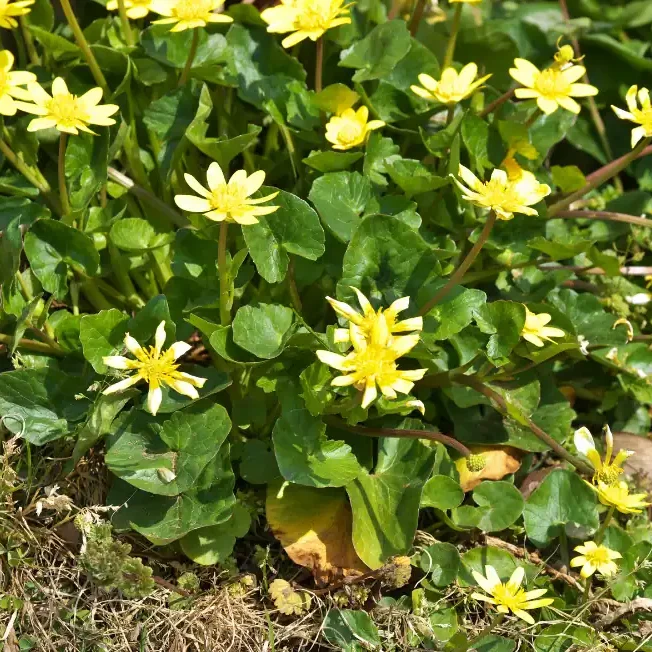
Lesser Celandine
Ficaria verna
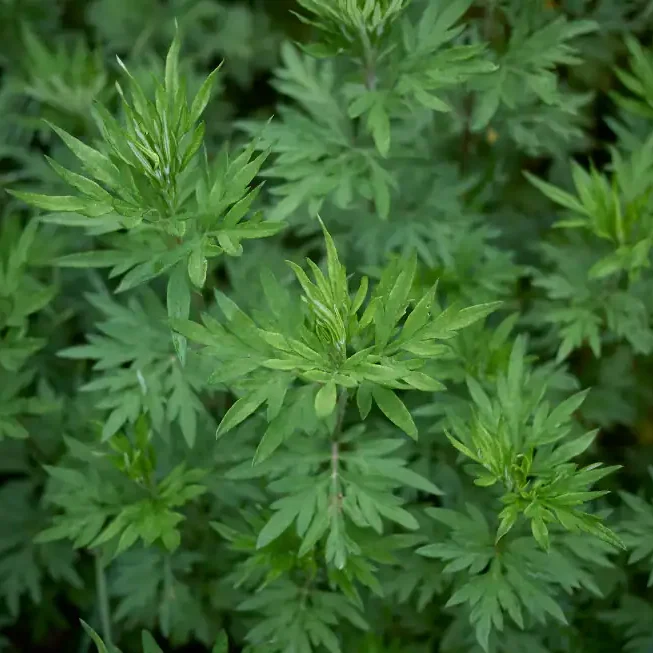
Mugwort
Artemisia vulgaris
Start where you are
You do not need to remove everything at once. Begin with one plant, one area, or one project. Removing invasive plants is most effective when followed by replacing them with native species that support local wildlife.
Related
Choose plants that make a difference
Find native plants near you
Order native plant kits
Get started planting native